Every year, thousands of vehicles move through a clear, regulated process, and Melb Car Removal breaks down exactly what happens to scrapped cars in Melbourne once you accept an offer. Victorian law governs each stage, from collection through final recycling, to protect land, water, and local communities. Knowing this process helps you spot a buyer who handles scrapped cars in Melbourne the right way.
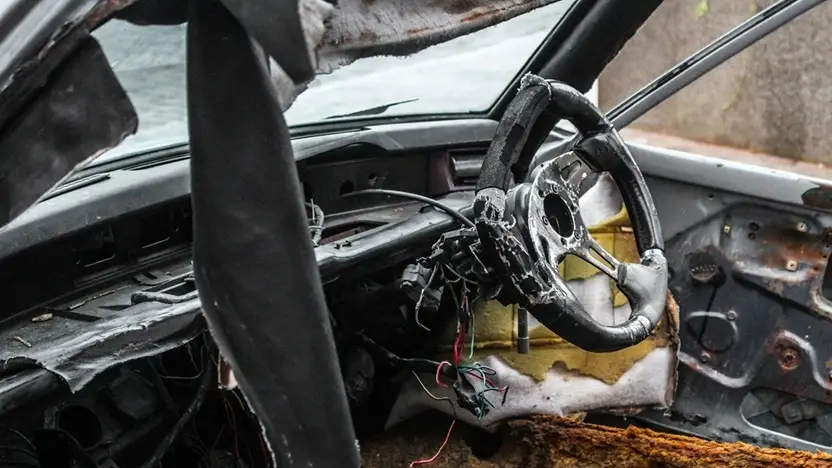
What Happens to Scrapped Cars in Melbourne After You Sell?
Once you accept a quote, your vehicle begins a multi-stage journey through the scrapped cars in Melbourne process. Before that quote becomes final, it’s worth confirming you have the right paperwork ready; our guide on what documents do I need to sell my car in Victoria? covers everything required to complete the sale smoothly.
Vehicle Collection and Initial Inspection
First, the collection team picks up your vehicle and moves it to a temporary storage area. Staff then record its make, model, and condition before any work starts. As a result, this inventory step keeps the process transparent from day one.
Depollution: Removing Hazardous Fluids and Materials
Next, technicians drain hazardous fluids and remove key materials, including:
- Engine oil, coolant, fuel, and brake fluid
- Batteries and LPG or refrigerant gas
Importantly, Victorian law prohibits releasing air conditioning refrigerants into the atmosphere. Therefore, depollution protects soil and waterways before dismantling begins.
Salvaging Valuable Parts
Afterward, the team recovers reusable components, including engines, alternators, and body panels. They store these parts undercover, ready for resale to repairers and other owners.
Crushing and Metal Recycling: What Happens to Scrapped Cars in the Final Stage
Finally, workers crush or bale the stripped shell and send it to a metal recycler. Consequently, the steel and other metals re-enter the supply chain as raw material for new products.
How Recycling Scrapped Cars Benefits Melbourne
Beyond convenience, recycling scrapped cars in Melbourne delivers real environmental value for the whole city.
Reducing Landfill Waste
Because recyclers recover most of a vehicle’s mass, proper processing keeps significant tonnage out of landfills each year.
Conserving Steel, Aluminium, and Other Materials
Steel and iron typically make up 60–65% of a vehicle’s weight, and recyclers recover around 90% of that material. Similarly, they reclaim roughly 90% of a car’s aluminium for reuse. These figures show why responsible dismantling matters so much.
Supporting a Circular Economy in Melbourne
Ultimately, recycled metal feeds back into new manufacturing, cutting demand for freshly mined resources.
Can Every Part of a Scrapped Car Be Recycled?
Not entirely, although the recyclable share stays substantial.
Parts That Can Be Reused
Buyers commonly resell engines, transmissions, doors, mirrors, and wheels as second-hand parts.
Materials That Cannot Be Recycled
However, roughly 20% of a vehicle’s weight ends up as mixed residue, including certain plastics, foam, and glass, which typically goes to landfill.
How Melbourne Recycling Facilities Handle Waste Safely
Meanwhile, batteries and tyres need specialised handling. Batteries must never enter landfill because of their toxic heavy metal content, and operators can’t legally burn or dump waste tyres under Victoria’s Environment Protection Act 2017. Consequently, licensed facilities manage both materials through separate, regulated channels.
Choosing the Right Scrap Car Buyer in Melbourne
Given these regulations, picking a compliant buyer for your scrapped cars in Melbourne matters just as much as the process itself.
Signs of a Reliable Scrapped Car Buyer
Look for a buyer who ticks these boxes:
- Registered as a second-hand dealer under Victorian law
- Pays by bank transfer, not cash
- Keeps detailed transaction records for every sale
Melb Car Removal meets all three, offering free pickup and same-day payment for scrapped cars in Melbourne. Ultimately, understanding what happens to scrapped cars in Melbourne gives you the confidence to choose a buyer who follows every regulated step correctly.